Mythology
What does it feel like?
Mythology is one of humanity's oldest tools for understanding experience.
Across cultures and throughout history, myths have helped people make sense of change, challenge, uncertainty, belonging, responsibility, loss, and growth. Through stories, symbols, characters, and journeys, they provide a language for exploring aspects of life that are often difficult to describe directly.
Within Ari's Grove, mythology is approached as a tool rather than a belief system.
Inspired by thinkers such as Joseph Campbell and Carl Jung, myths are understood as symbolic representations of recurring patterns in human experience. They offer ways of seeing rather than doctrines to believe.
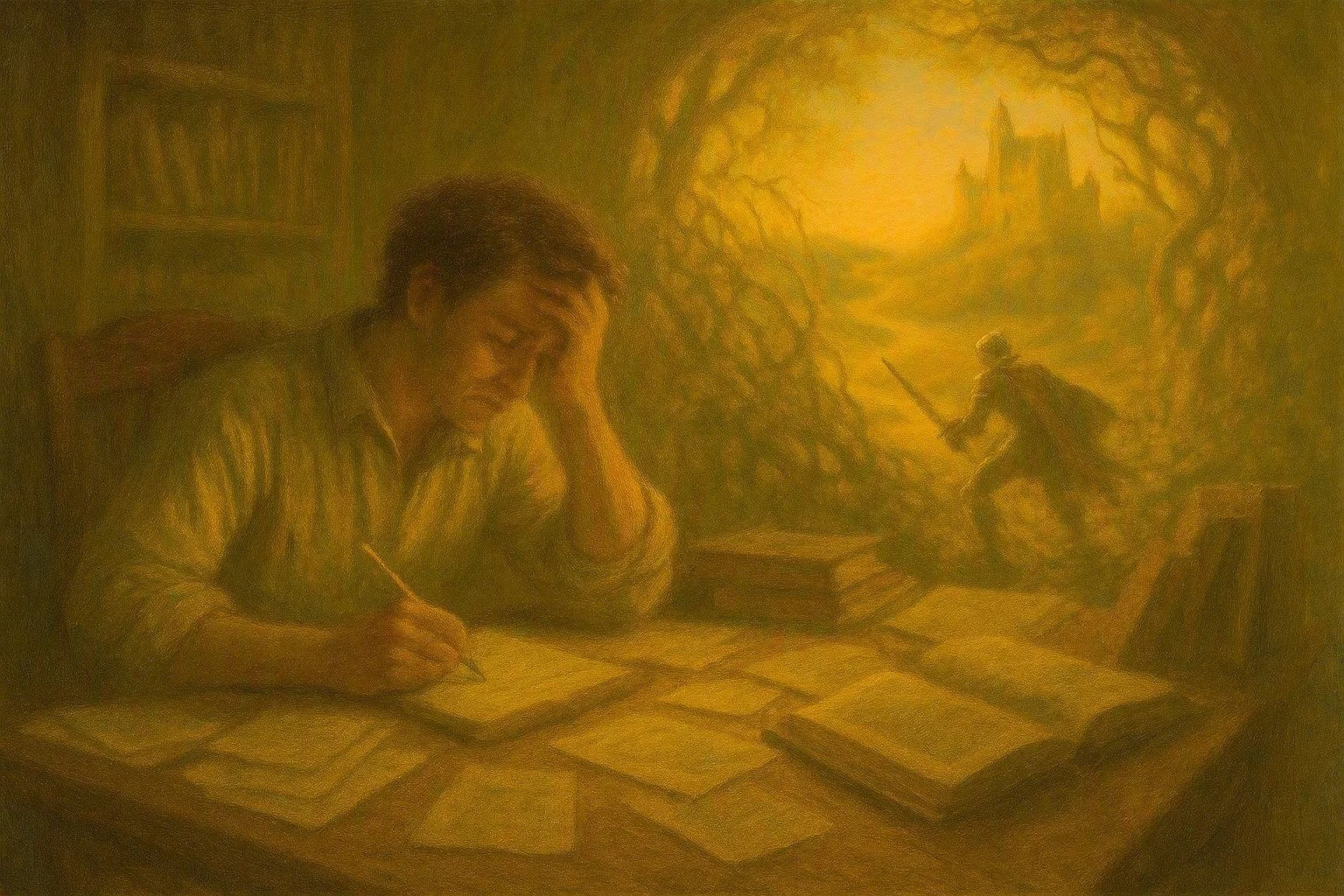
One of the strengths of myth is that it allows us to step back from ourselves.
Just as children may learn about courage, cooperation, conflict, and responsibility through imaginative play, adults can sometimes better understand their own lives when viewed through symbolic stories and archetypal patterns.
A myth provides enough distance for reflection while remaining close enough to feel meaningful.
Through myth, setbacks can become journeys, challenges can become trials, and periods of uncertainty can become explorations rather than simply problems to be endured. The value of myth lies not in whether a story happened exactly as described, but in the patterns of experience it helps reveal.
Philosophy helps us think clearly.
Ontology helps us consider what is possible.
Psychology helps us investigate the mechanisms involved.
Mythology helps us see these patterns as they are lived and experienced.
In this way, myths become tools for reflection, self-understanding, and the ongoing exploration of human becoming.
Sometimes we see ourselves most clearly when viewed through a story.